By Admin · Mar 12, 2026
Tablet manufacturing is one of the most widely used production methods in the pharmaceutical industry. Tablets are stable, convenient for patients, easy to transport, and suitable for large-scale production. However, the process behind each tablet is detailed, controlled, and highly regulated to ensure safety, consistency, and effectiveness.
Pharmaceutical manufacturers follow validated procedures, strict quality systems, and regulatory guidelines to maintain uniformity from batch to batch. Established companies such as Servochem operate within structured manufacturing frameworks that prioritize precision, compliance, and product reliability.
Below is a clear explanation of how tablets are manufactured in a modern pharmaceutical facility.
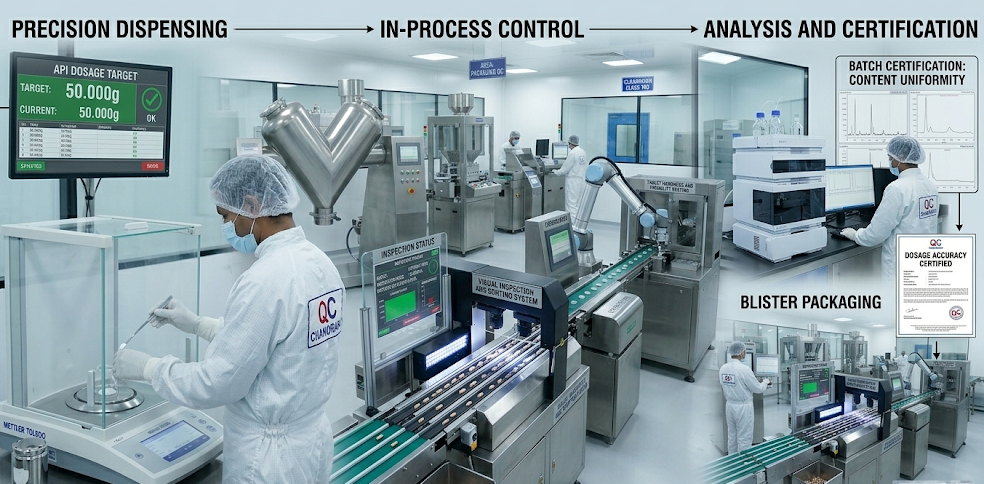
The process begins with dispensing raw materials, which include:
Before production begins, each material undergoes:
Only approved materials are released for manufacturing. Proper storage conditions and supplier qualification also play a key role in maintaining raw material integrity. Manufacturers like Servochem emphasize strict raw material evaluation to ensure quality consistency from the very beginning of the process.
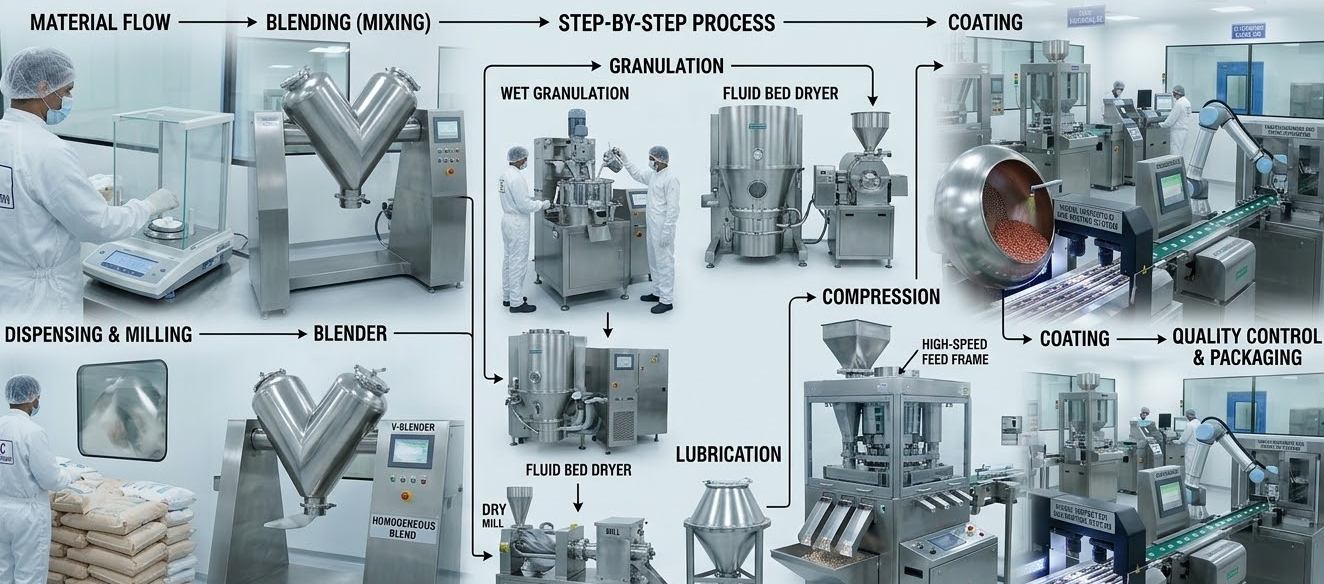
After dispensing, the materials are transferred to blending equipment.
The purpose of blending is to achieve uniform distribution of the active ingredient throughout the mixture. Uniformity is critical because uneven mixing can lead to incorrect dosage levels in finished tablets.
Manufacturers carefully monitor:
Samples are tested to confirm uniform distribution before proceeding to the next stage. Structured blending controls are essential for maintaining dosage accuracy in large-scale production.
Granulation improves powder flow and compressibility, helping to produce strong and uniform tablets.
There are two primary methods:
Wet Granulation
A liquid binder is added to form granules. This method improves bonding and is often used for complex formulations.
Dry Granulation
Powders are compacted mechanically without liquid. This method is suitable for moisture-sensitive drugs.
After granulation, the material is dried and passed through sieves to achieve consistent particle size. Controlled drying prevents degradation and ensures stability throughout the product’s shelf life.
Compression is the stage where granules are converted into tablets using a tablet press.
During compression, manufacturers monitor critical parameters such as:
In-process quality checks are performed at regular intervals. Any variation outside the acceptable range is corrected immediately to maintain consistency.
Advanced pharmaceutical manufacturers, including Servochem, invest in modern rotary tablet presses and automated monitoring systems to ensure both efficiency and accuracy in production.
Not all tablets require coating, but when needed, coating serves several purposes:
Film coating is commonly used. Process parameters such as spray rate and temperature are strictly controlled to ensure uniform coating thickness and performance reliability.
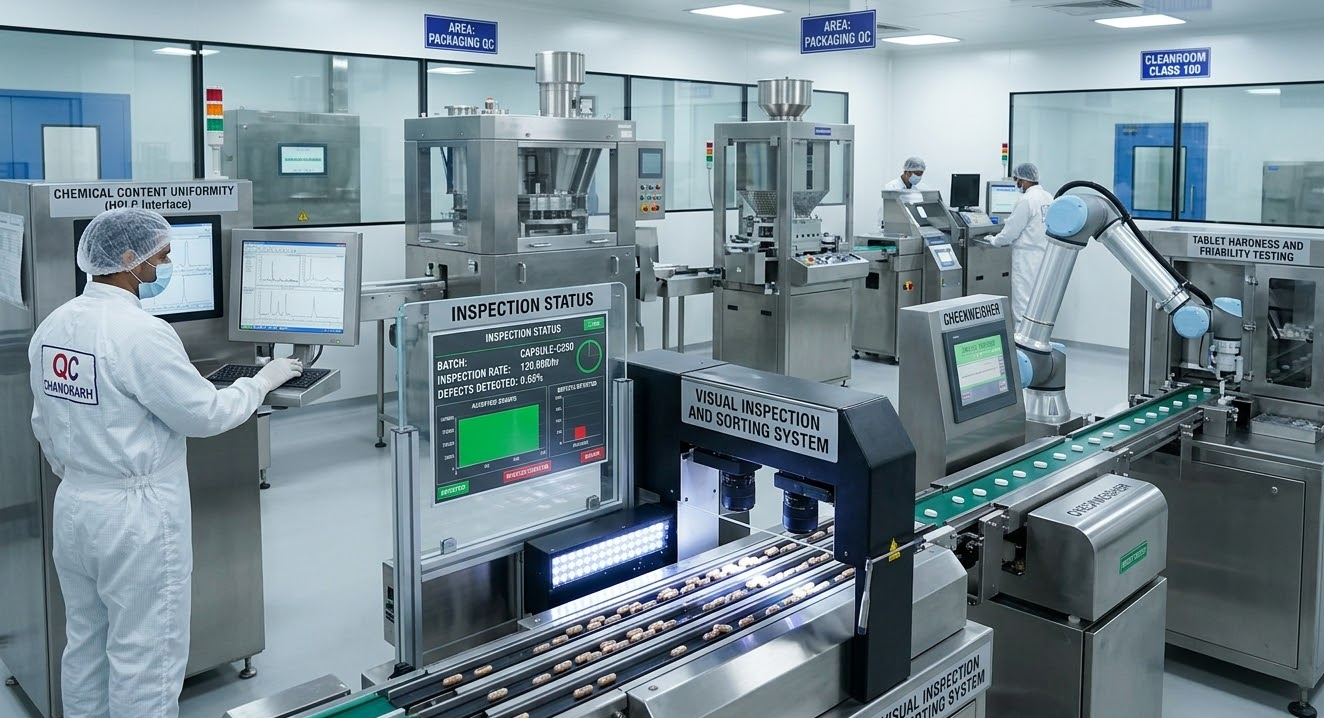
Quality control is integrated throughout the manufacturing process and becomes especially critical after compression.
Finished tablets undergo testing for:
Only batches that meet all predefined specifications are approved for packaging. This ensures that every tablet delivers the intended therapeutic effect.
Companies such as Servochem maintain structured quality assurance systems to support compliance with national and international regulatory standards.
Once approved, tablets move to the packaging stage.
Common packaging formats include blister packs, strip packs, and bottles. Packaging protects tablets from environmental factors such as humidity and contamination.
Each package includes:
Proper documentation ensures complete traceability from raw materials to finished product.
Tablet manufacturing facilities operate under Good Manufacturing Practices (GMP) as defined by regulatory authorities such as the World Health Organization and the U.S. Food and Drug Administration.
GMP compliance requires:
Manufacturers that strictly follow GMP guidelines ensure consistent quality and regulatory acceptance in domestic and international markets.
While the technical steps of tablet manufacturing are standardized, consistent execution requires expertise, proper infrastructure, and disciplined quality systems.
Pharmaceutical manufacturers that emphasize process validation, regulatory compliance, and quality assurance are better positioned to supply reliable tablet formulations. Organizations such as Servochem focus on maintaining strong operational controls and quality-driven practices to ensure dependable pharmaceutical production.
Tablet manufacturing is a structured and carefully controlled process. From raw material verification to blending, granulation, compression, testing, and packaging, each step contributes to the safety and effectiveness of the final product.
Pharmaceutical manufacturers that maintain validated systems, trained teams, and strong quality control frameworks are able to consistently produce tablets that meet regulatory standards and therapeutic expectations.